

About Innervate Career Services
It started with six schools and a question
Innervate wasn’t born from a big business plan. In 2012, Natalie Papworth was working across secondary schools when changes to Connexions left schools facing the possibility of losing careers support their young people relied on.
Several of the school leaders Natalie already worked with asked a very practical question: could she carry on? So she did.
Innervate started with six schools. Within months, that number had more than doubled.
There wasn’t a big marketing campaign behind the growth. Schools recommended Innervate to other schools. Headteachers and Careers Leads moved roles and took the relationship with them.
The business grew because people trusted the work. That has shaped Innervate ever since.

“I never meant to start a business. It grew because schools needed the support and trusted us to deliver it.”
The work has grown. The reason for doing it hasn’t.
At the heart of Innervate is a simple belief: careers guidance should help a young person understand themselves, not just tell them what to do next.
A young person might only spend 45 minutes or an hour with their careers adviser. We want that time to matter.
That means looking beyond the immediate question of what they’re going to do after school. What are they good at? What matters to them? How do they like to learn? What opportunities have they considered? What haven’t they come across yet? What might get in their way?
Choosing a sixth form, college course or apprenticeship is one decision. Learning how to make good decisions about your future is much bigger.

Start with the young person in front of you
No two students arrive at a careers meeting in the same place.
One might have researched every possible route and need help making a final choice. Another might have absolutely no idea where to begin.
Some will happily talk about themselves. Others will need time before they’re comfortable talking at all. There may be SEND, anxiety, low confidence, difficult experiences of education or things happening outside school that affect what feels possible.
Our advisers aren’t there to push every young person through the same conversation. They’re there to work out what that particular young person needs.
Sometimes success is a clear destination. Sometimes it’s discovering a new option. Sometimes it’s a young person realising they have strengths they hadn’t recognised before. And sometimes the first step is simply getting them talking.
Why partnership matters to us
We’ve never seen careers guidance as somebody turning up, seeing students and leaving again.
There’s important work before the meeting: planning delivery, thinking about who needs to be seen and when, and preparing young people for what to expect.
There’s work afterwards too: action plans, resources, evaluation, reporting and making sure the school has something useful to continue working with.
Over the years, those relationships with schools have become broader. During one of Innervate’s Matrix assessments, a school described the relationship as a partnership. It felt like exactly the right word.
We’re not there to give a Careers Lead another job to manage. We want to take responsibility for our part of the picture and work alongside the school to make it useful.
Quality is something we keep working at
Careers advisers can have a real impact on young people. We take that responsibility seriously.
Our advisers are supported through professional development, observation, feedback, supervision and ongoing training. There’s operational support behind school delivery and a dedicated training and development function focused on helping advisers keep building their knowledge and guidance skills.
And we listen to feedback.
Most of it is incredibly positive. Occasionally somebody tells us something could have been handled differently. That’s important too.
Quality isn’t about pretending every conversation will be perfect. It’s about having people who care about doing the work well, and the support around them to keep learning and improving.
Growing the next generation of careers advisers
As Innervate grew, Natalie kept running into the same problem: there simply were not enough qualified careers advisers coming into the profession.
So Innervate built a trainee pathway.
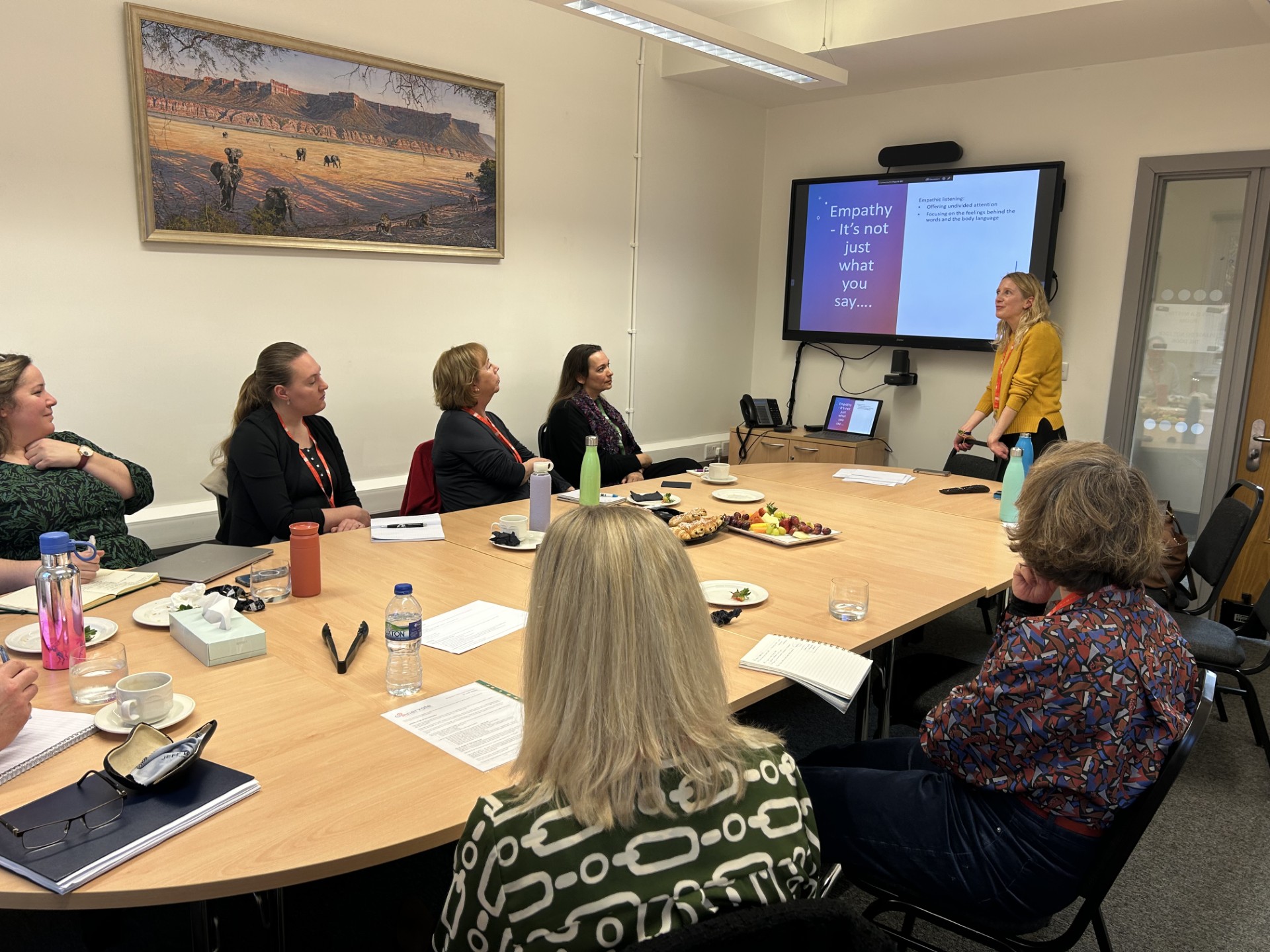
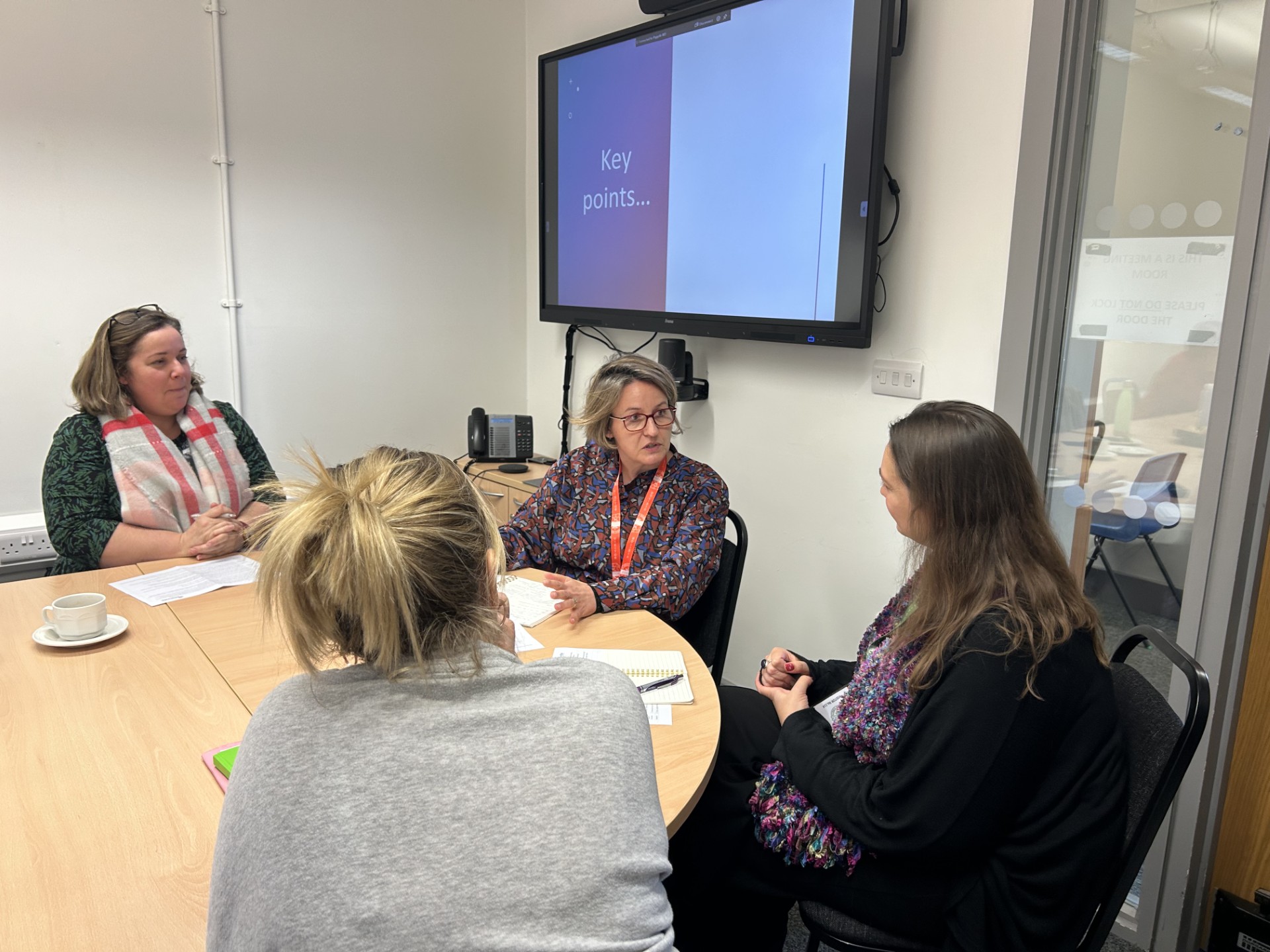
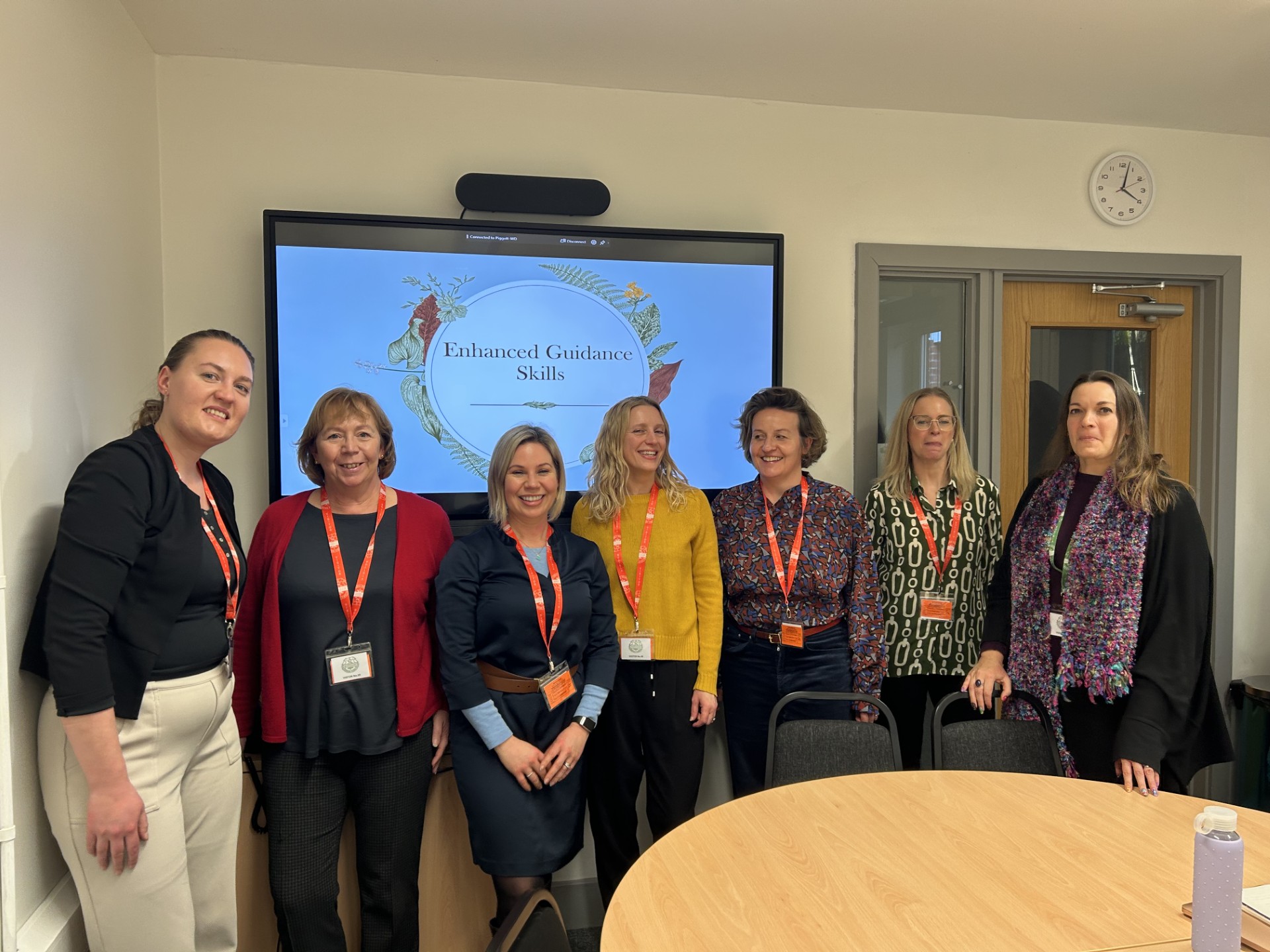
Trainee advisers work towards their professional qualification while building real experience in schools, with experienced colleagues around them, supervision, training and regular feedback.
By the time they qualify, they haven’t only studied careers guidance. They’ve spent a significant amount of time doing it.
It means Innervate isn’t simply trying to recruit from an already stretched profession. We’re helping more people enter it.
Why the name Innervate?
The name goes right back to the beginning.
Natalie wanted something that captured the idea of creating a spark, getting something moving and helping something begin.
Innervate felt right.
Good careers guidance shouldn’t prescribe somebody’s future. It should spark curiosity, confidence, a new idea, a question they hadn’t thought to ask, or the realisation that there might be more options than they thought.
Sometimes that’s the thing that gets a young person moving forward.

Innervate today
Innervate has grown a lot since those first six schools. The team is bigger, the range of young people we work with is broader and the systems and expertise around the work have grown too.
But the reason behind it hasn’t changed.
We want young people to leave careers guidance knowing more about themselves, seeing more of the possibilities around them and feeling better able to make the decisions ahead.
And we want the schools supporting them to know this is one part of their careers provision they don’t have to carry alone.