

Careers guidance for schools
Good careers guidance isn’t about getting students through a meeting because a meeting needs to happen.
It’s about making that time genuinely useful: helping young people understand themselves better, see routes they might not know about and feel more confident making decisions about what comes next.
And for schools, it needs to work in practice too.
Innervate provides personal careers guidance alongside the planning, support, quality assurance and reporting around it, so the meeting becomes part of something useful rather than an isolated conversation.
What should you expect from a careers guidance partner?
When schools start looking for careers support, the questions are often practical.
How many students can be seen? How many days will we need? How much will it cost? Of course those things matter. But there is another question worth asking too. What will the quality of the guidance actually be?
A careers meeting can influence some of the biggest decisions a young person has made so far. The person having that conversation matters. How they’re trained and supported matters. What happens around the meeting matters too.
That’s why Innervate has built the service around much more than the time an adviser spends sitting with a student.
Before the meeting
Good guidance starts before anyone sits down together.
Our team works with schools to plan delivery, organise caseloads and think about which students need support and when.
- agreeing delivery dates
- organising caseloads
- helping identify students who should be prioritised
- thinking about when an intervention will be most useful
- making sure advisers have the information they need
- helping young people understand what to expect from their meeting
Not every student needs the same support at the same point.
For some, a conversation in Year 11 may be enough. Others may need help much earlier, particularly where there are additional needs, barriers, lower engagement or concerns about transition.
It’s not about getting everyone through a meeting. It’s about making the meeting count.
During the meeting
Our advisers don’t arrive with a script that every young person has to fit.
The conversation starts with the student and might explore:
- their strengths and interests
- what matters to them
- how they like to learn
- different education and training routes
- apprenticeships
- further and higher education
- employment
- options they might not have come across yet
- barriers that could affect their plans
- what they can do next
They don’t have to walk out naming the one job they’re going to do forever.
Often the more useful outcome is knowing more about themselves, seeing their options more clearly and having a better idea of how to explore and weigh up what comes next.
After the meeting
We don’t want everything useful that happened in the room to disappear as soon as the student walks out.
Students receive a career action plan bringing together the conversation, useful resources and their next steps. It gives them something practical to come back to and gives the school something to build on.
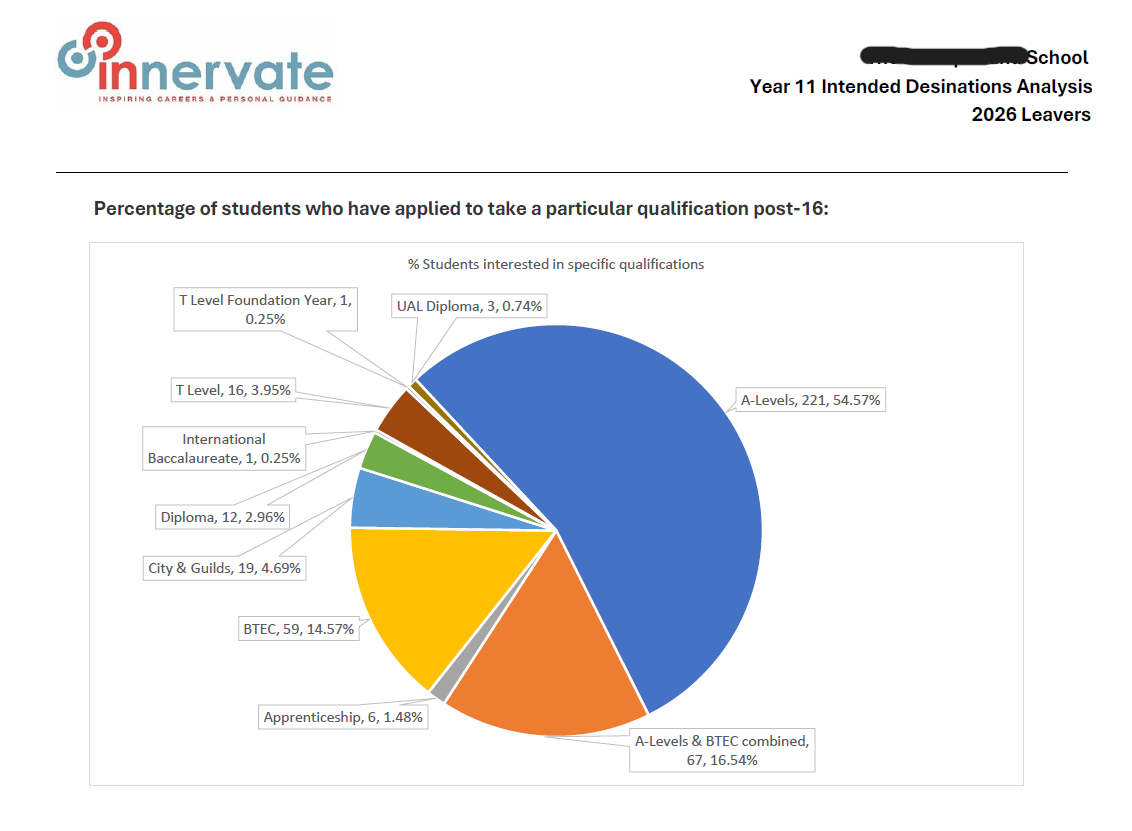
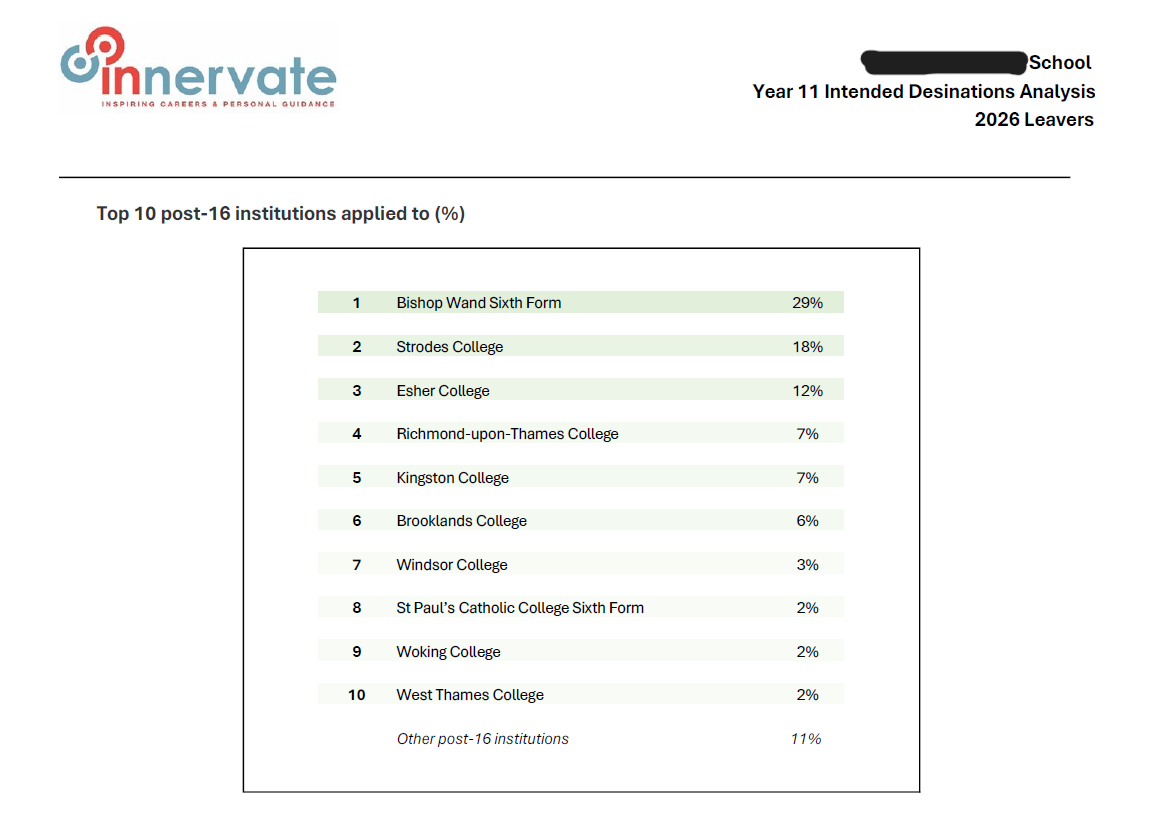
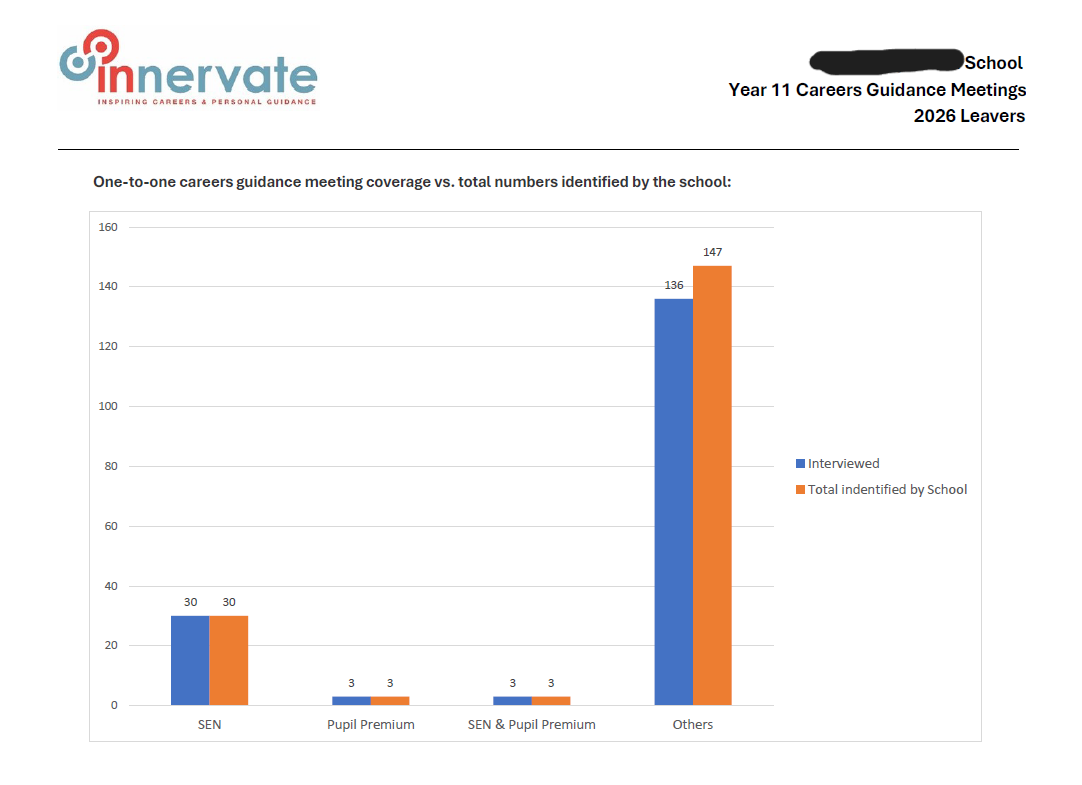
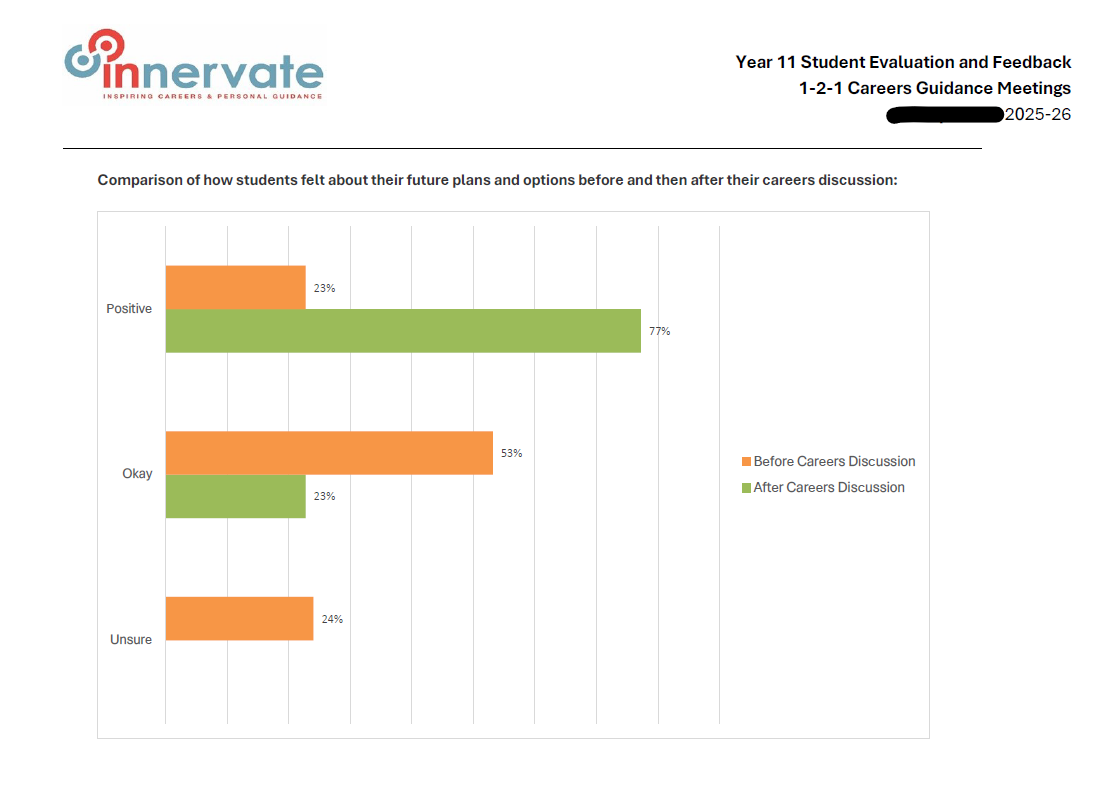
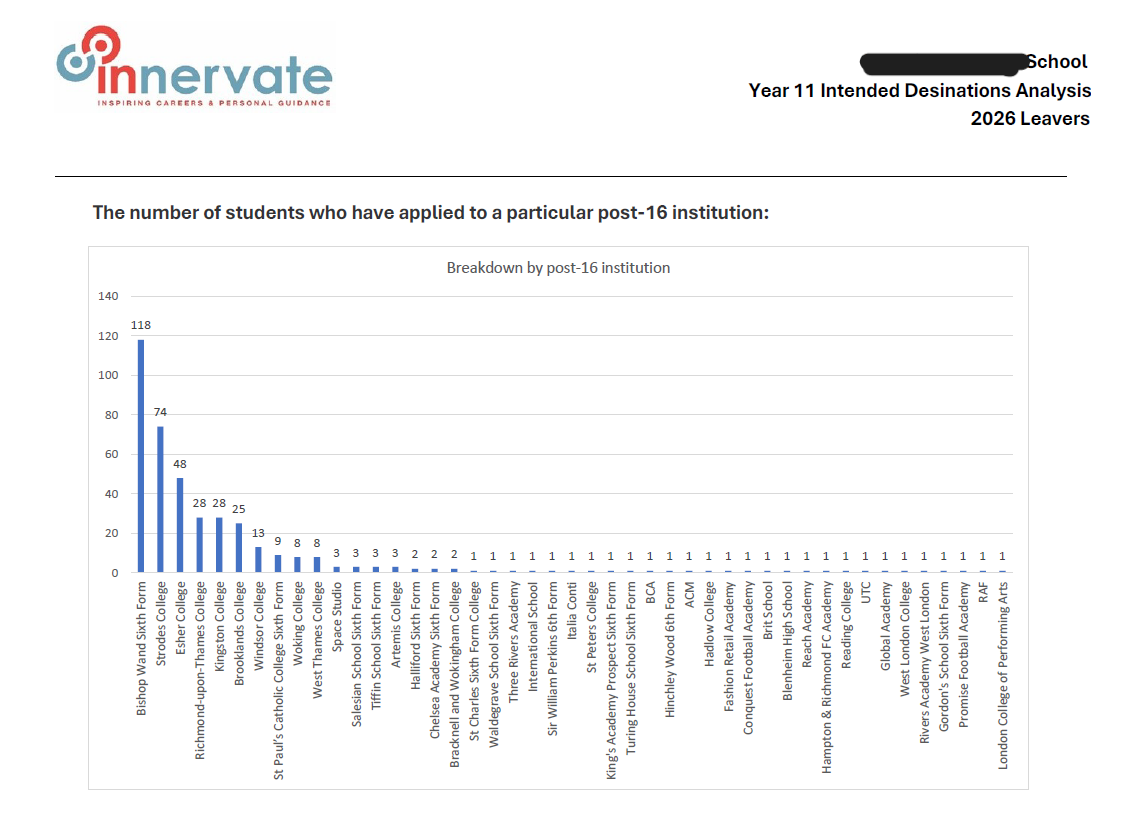
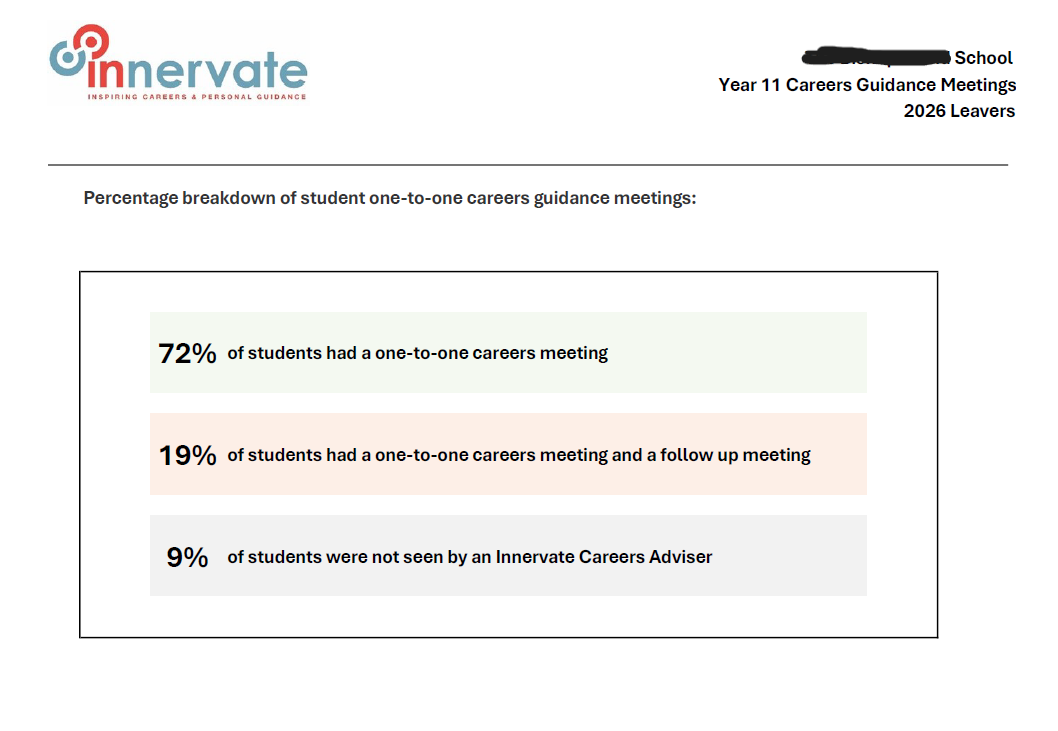
Students are invited to give feedback, and schools receive evaluation and analysis that helps show what’s been delivered and what impact it’s having.
Guidance that fits different young people
Young people don’t all communicate, process information or make decisions in the same way.
Our advisers work across mainstream and specialist settings and are supported to adapt the way they work.
For one student, that might simply mean taking more time. For another, it might mean:
- breaking decisions into smaller steps
- using visual or practical tools
- spending longer building trust
- exploring confidence before talking about destinations
- changing the pace or structure of the conversation
- recognising when anxiety or other barriers are getting in the way
Our work in specialist SEND settings has also helped us develop approaches and resources that can be useful with students in mainstream schools too.

Part of the wider careers picture
One good conversation can make a real difference. It works even better when it connects with the other things happening around the young person: their teachers, pastoral support, parents and carers, curriculum, work experience, careers activities and the decisions they will need to make at different stages.
Some schools want Innervate to focus on delivering high-quality personal guidance. Others want more support across that wider picture.
That’s where Enhanced Partnership comes in.
Enhanced Partnership
Enhanced Partnership is for schools that want Innervate to play a broader role in supporting their careers provision.
Depending on the school’s needs, that can include:
- resources for parents and young people
- parent webinars
- additional support for Careers Leads
- labour market information and updates
- careers newsletters and communications
- enhanced reporting
- support with wider careers activity
- facilitation of strategic careers leadership reviews
The aim isn’t to give Careers Leads another list of things to manage. It’s to help take some of that weight away and make the different parts of careers provision work together more effectively.
Careers support that takes some weight off the school
Careers provision has grown in both scope and expectation, and the person responsible for it is very often responsible for plenty of other things too. Innervate’s role isn’t to add more complexity. It’s to take responsibility for the work we’re there to do.
That means knowing students have received thoughtful, individual guidance. Knowing something useful happens before and afterwards. Knowing advisers are being supported and developed. Knowing there is a clear record of the work. And knowing there is a team at the other end of the phone when you need one.

What sits behind our advisers
A qualification matters. But it isn’t the end of the story.
Innervate is Matrix accredited, and our advisers work within a wider system designed to help them keep developing and maintain high standards. We expect a lot from our advisers. We also make sure there is support around them to help them deliver it.